Texas Wines Crafted at Every Stage
Estate Wine Production in Victoria for guests seeking wines shaped by regional character and small-batch care
SAJECo Ranch Winery produces estate wines in Victoria through a process that begins with grape selection and concludes with bottling, with every stage managed to reflect the character of Texas winemaking. Each vintage is crafted with attention to consistency, flavor development, and the unique conditions that define the region. The ranch setting itself contributes to the winery's atmosphere, where production methods prioritize quality over volume.
Estate winemaking involves controlling the entire production chain, from sourcing grapes to fermentation, aging, and final bottling. This approach allows the winemaker to make decisions at each stage based on how the fruit develops, adjusting techniques to bring out specific characteristics in the finished wine. Small-batch production means each lot receives individual attention, with adjustments made according to the grape's tannin structure, acidity, and sugar content at harvest.
Schedule a tasting to experience how these production methods translate into the wines available at the ranch.
How Small-Batch Methods Shape Finished Wines
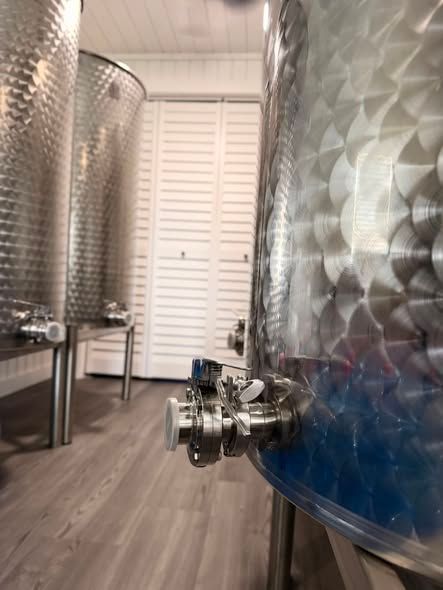
The production process at SAJECo Ranch Winery involves monitoring fermentation temperatures, making barrel selection decisions based on the wine's flavor profile, and timing the bottling to preserve the intended character of each vintage. These decisions affect how the wine tastes when poured, how its aroma develops, and how well it pairs with food.
Once bottling is complete, you notice wines that express the specific qualities the winemaker intended—whether that's fruit-forward flavors, structured tannins, or balanced acidity. The difference between mass-produced wines and estate wines lies in this level of control: every variable from grape to glass is managed by the same team, resulting in wines that reflect deliberate choices rather than standardized formulas.
The ranch's focus on estate production means the wines you taste are tied directly to the place where they're made. Visitors often comment on the connection between the setting and the wine itself, a quality that comes from managing the full production cycle on-site rather than sourcing from multiple vineyards or production facilities.
What Visitors Want to Know About Estate Wines
Guests often ask about the winemaking process and what makes estate wines different from other styles available in Texas.
What makes estate wine production different from other winemaking methods?
Estate production means the winery controls every step from grape selection through bottling, allowing for consistency and quality decisions at each stage rather than relying on purchased grapes or contract facilities.
How does the Texas climate affect the wines produced at the ranch?
Texas heat and humidity require careful timing of harvest and fermentation temperature control to preserve acidity and prevent over-ripening, which directly influences the balance and freshness of the finished wine.
What should I expect when tasting wines made through small-batch methods?
You'll notice more variation between vintages and styles, as small-batch production allows the winemaker to emphasize different characteristics rather than blending for uniformity.
When is the best time to visit the winery to learn about production?
Visiting during or just after harvest in late summer provides the most active view of the winemaking process, though the tasting room is open year-round for sampling finished wines.
How do I know which wines to purchase after tasting?
The tasting experience allows you to compare styles side-by-side, and staff can explain which wines pair best with your preferences, whether you favor bold reds, crisp whites, or fruit-forward blends.
SAJECo Ranch Winery invites you to visit the ranch and taste the results of estate production firsthand. Reserve your tasting to explore wines crafted with attention to every stage of the process.